
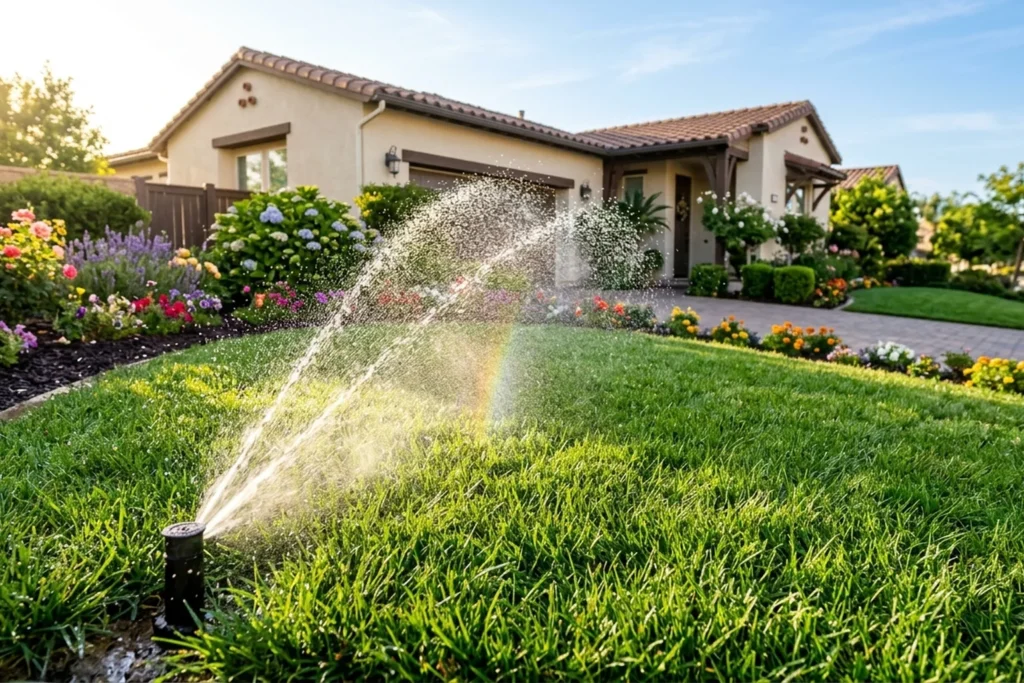
Terra Nova lawn care should follow your grass type, sun exposure, and irrigation performance through Chula Vista’s seasons.
A sunny front strip beside paving can need a different routine from a lawn shaded by mature trees on the same property. Soil compaction, uneven sprinklers, and any property-specific HOA requirements matter more than assuming every Terra Nova yard has identical conditions.
This month-by-month Terra Nova Chula Vista lawn care calendar gives you a local routine for mowing, watering, fertilizing, weed control, aeration, edging, and seasonal cleanup.
Use it as a homeowner checklist. If you would rather have the work handled for you, Chula Vista Lawn Care serves Terra Nova homeowners with mowing, edging, weed control, irrigation awareness, and year-round yard maintenance.
Quick Monthly Calendar
Here is the fast version.
| Month | Main Terra Nova Lawn Task | Watch For |
|---|---|---|
| January | Light cleanup and irrigation inspection | Dormant Bermuda, winter weeds, soggy clay |
| February | Weed prevention planning and mower prep | Oxalis, spurge, early crabgrass pressure |
| March | Spring restart and sprinkler test | Bermuda green-up, compact soil, dry spots |
| April | Regular mowing and first active-growth feeding | Fast Bermuda spread |
| May | Build lawn density before summer | Heat stress and irrigation gaps |
| June | Weekly mowing and deep watering checks | Runoff, pests, dry edges |
| July | Summer protection and HOA-safe edging | Scalping, brown patches, curb-line weeds |
| August | Diagnose heat damage before spending | Sprinkler leaks, dry soil, overwatering |
| September | Final warm-season growth push | Thatch, weeds, tired turf |
| October | Reduce water and shift into fall mode | Cooler nights, weed germination |
| November | Clean up, trim, and inspect drainage | Dormancy, debris, wet spots |
| December | Winter watch mode | Leaks, compaction, weeds after rain |
The pattern is simple: prepare in late winter, strengthen the lawn in spring, protect it in summer, and slow down in fall.
Why Terra Nova Lawns Need a Local Calendar
Terra Nova has lawn conditions that show up again and again.
On your Terra Nova property, inspect the conditions directly: afternoon sun, tree shade, compacted traffic routes, sprinkler coverage, and any runoff toward the curb. Use the calendar to track those observations rather than to assume a fixed neighborhood soil type.
That is the core of Terra Nova lawn care strategy.
You are not just cutting grass. You are managing the actual exposure, soil infiltration, and seasonal growth on your property.
The biggest local problems are:
- Bermuda grass creeping into beds and concrete cracks
- St. Augustine thinning in heat or poor drainage
- Clay soil compaction
- Dry patches near sidewalks and driveways
- Weeds in thin turf and curb edges
- Sprinkler overspray and runoff
- HOA complaints from uneven mowing or brown patches
- Summer heat stress after a missed irrigation check
The calendar below is built around those conditions.
Grass Types in Terra Nova
Identify whether your lawn uses one of these turf types:
| Grass Type | Best Use | Local Watchout |
|---|---|---|
| Bermuda | Full-sun front yards and active areas | Spreads aggressively and needs edging |
| Hybrid Bermuda | Cleaner look, active lawns | Needs consistent mowing during growth |
| St. Augustine | Partial shade and broader-blade lawns | Can struggle with pests and poor drainage |
| Tall fescue | Cooler-looking green lawn | Higher water demand in heat |
| Artificial turf | Low-mow areas or pet spaces | Heat, drainage, and odor control matter |
UC IPM notes Bermuda tolerates heat and drought, but has low shade tolerance and spreads aggressively. That makes it useful in Terra Nova sun, but it also means edging is not optional.
Adjust This Calendar for Tall Fescue
The warm-season feeding pattern below mainly describes Bermuda. Tall fescue follows a different rhythm: prioritize suitable spring and fall recovery conditions, and avoid pushing a heat-stressed lawn with fertilizer. The UC IPM tall fescue guide provides species-specific management guidance. Identify the grass before using the calendar; artificial turf does not need the turf feeding schedule.
January: Inspect, Clean, and Avoid Overdoing It
January is a low-growth month for many Terra Nova lawns.
Bermuda may look straw-colored. That is often dormancy, not death. St. Augustine may slow down but stay greener in protected areas.
January tasks:
- Remove leaves, branches, and debris.
- Pull visible winter weeds.
- Inspect sprinkler heads after rain or wind.
- Look for soggy areas in clay soil.
- Avoid heavy fertilizer.
- Avoid mowing dormant Bermuda too short.
- Keep foot traffic low on wet soil.
If the lawn is partly brown, do not panic. Wait for spring green-up unless patches pull loose, smell sour, or stay wet.
February: Get Ahead of Weeds
February sets up the whole spring.
Winter weeds can germinate after rain. Terra Nova curb lines, driveway cracks, and thin turf areas often show weeds first.
February tasks:
- Identify early weeds.
- Plan pre-emergent weed control.
- Service the mower.
- Sharpen blades.
- Test the irrigation controller.
- Clear grass away from sprinkler heads.
- Refresh mulch in planting beds.
- Check bare or compacted spots.
The goal is prevention. If you wait until weeds mature, you spend more time treating what could have been stopped earlier.
March: Restart Carefully
March is when Terra Nova yards begin changing fast.
Bermuda may start waking up as soil warms. Weeds may grow faster than turf. Sprinkler problems become easier to spot.
March tasks:
- Apply pre-emergent if timing is right.
- Begin regular mowing only when active growth returns.
- Inspect every sprinkler zone.
- Spot-treat weeds.
- Rake dead material lightly.
- Check for compacted soil.
- Schedule aeration if turf is actively growing.
- Edge sidewalks before Bermuda gets ahead.
Do not fertilize heavily just because the lawn looks tired. If the soil is compacted or sprinklers are uneven, fertilizer will not fix the cause.
For a compacted root zone, core aeration in Chula Vista should be timed for active grass growth and workable soil, not simply booked for March. Flag sprinkler heads first and postpone work on saturated, dormant, or severely stressed turf.
April: Begin Active Lawn Care
April is when warm-season lawn work becomes more regular.
UC IPM says Bermuda fertilization belongs during active growth, generally April through September. That does not mean heavy feeding. It means careful feeding when the grass is actually growing.
April tasks:
- Resume routine mowing.
- Feed Bermuda lightly if growth is active.
- Edge Bermuda away from beds and concrete.
- Repair small bare patches.
- Adjust irrigation for warmer weather.
- Watch for early pest signs.
- Clean up visible clippings.
For Terra Nova Chula Vista lawn care, April is when curb appeal starts becoming a weekly habit again.
A lawn fertilization plan should match the species, growth, and soil needs. Diagnose dry patches before feeding, and coordinate weed treatments with any planned seeding: some pre-emergent products prevent desirable grass seed from establishing. Follow the specific product label.
May: Build Strength Before Heat
May is one of the best months to build turf density.
The grass is growing, but summer heat has not fully arrived. Use this window well.
May tasks:
- Mow weekly if Bermuda is growing fast.
- Water deeply, not shallowly.
- Spot-treat weeds while small.
- Inspect dry corners.
- Check sprinkler pressure.
- Fill minor bare areas.
- Keep edges clean along sidewalks.
UC IPM recommends deep and infrequent watering for Bermuda. That is especially important in clay soil. Short daily watering often creates shallow roots and runoff.
If water runs off before soaking in, use cycle-and-soak watering or have the irrigation checked.
June: Shift Into Summer Defense
June brings visible stress.
The lawn may grow fast, but the heat also exposes weak spots. Dull mower blades, bad sprinkler coverage, and compact soil show up quickly.
June tasks:
- Mow weekly.
- Keep mower blades sharp.
- Avoid removing more than one-third of the blade.
- Inspect sprinklers early in the morning.
- Watch for grubs, webworms, or loose turf.
- Water deeply when needed.
- Edge Bermuda before it invades beds.
- Avoid harsh weed treatment during heat spikes.
If a brown patch appears in June, check the soil and sprinklers before assuming disease.
July: Maintain Curb Appeal Without Scalping
July is where many Terra Nova lawns get damaged.
Homeowners cut too low to make mowing last longer. Then the lawn browns, weeds move in, and the HOA notice arrives.
July tasks:
- Mow consistently.
- Avoid scalping.
- Keep edges clean.
- Water early or late, following your water provider’s current guidance.
- Watch for runoff.
- Spot-check dry patches.
- Avoid heavy fertilizer during extreme heat.
- Keep weeds from setting seed.
Find your water provider on the property’s water bill before setting the controller. Check current Otay Water District guidance or Sweetwater Authority water-use guidance, as applicable. Do not assume a neighborhood name sets the rules. Prevent runoff, repair leaks, and follow the provider’s rainfall restrictions; adjust runtime to soil moisture, season, and sprinkler output rather than a fixed number of minutes.
August: Diagnose Heat Damage
August is not the month for guessing.
Brown spots can come from underwatering, overwatering, sprinkler leaks, pests, heat reflection, compacted clay, or mowing too short.
August tasks:
- Run each irrigation zone and watch the spray.
- Use a screwdriver to test soil moisture.
- Look for dry arcs from clogged nozzles.
- Inspect valve boxes.
- Edge Bermuda aggressively but carefully.
- Delay major renovation until heat eases.
- Pull weeds before they seed.
- Watch for Santa Ana drying events.
If soil is wet and grass is brown, more water may make the problem worse. If soil is dry two inches down, coverage or runtime may need correction.
If the same section fails repeatedly, compare the soil moisture in healthy and damaged areas and inspect the actual spray pattern. Lawn renovation can address recoverable turf after the cause is fixed; schedule the repair for the grass’s recovery season rather than forcing it during a heat spike.
September: Use the Last Growth Window
September can still be hot, but the lawn begins moving toward fall.
For Bermuda, this may be the last strong growth period before slowdown.
September tasks:
- Keep mowing as needed.
- Apply final warm-season feeding only if appropriate.
- Repair edges.
- Thin overgrown shrubs that block sprinklers.
- Inspect for thatch.
- Spot-treat weeds carefully.
- Plan fall cleanup.
Do not wait until November to fix a recurring bare patch. If the same spot failed all summer, it needs diagnosis now.
October: Reduce Water and Clean Up
October is a transition month.
Days may still be warm, but nights cool. Bermuda growth slows. Weeds can start after rain or irrigation.
October tasks:
- Reduce mowing frequency.
- Reduce watering as weather cools.
- Remove dead material.
- Refresh mulch.
- Check drainage before winter rain.
- Trim plants away from sprinklers.
- Pull new weeds early.
Do not keep a July watering schedule in October unless the weather demands it. Overwatering in fall can create disease and shallow roots.
November: Winter Prep
November is about cleanup and inspection.
November tasks:
- Mow only when needed.
- Remove leaves and debris.
- Pull weeds after rain.
- Inspect slopes and low spots.
- Trim branches that block winter sun.
- Clean curb lines.
- Check irrigation settings.
If Bermuda begins to brown, that may be normal dormancy. A dormant lawn can still be healthy.
December: Keep It Simple
December is low-maintenance, but not no-maintenance.
December tasks:
- Keep the lawn clear of debris.
- Avoid heavy traffic on soggy clay soil.
- Watch for sprinkler leaks.
- Pull small weeds after rain.
- Water only as needed.
- Make notes for next year.
- Schedule service if spring weeds were bad last year.
December is a good time to review what failed. If weeds took over in spring, plan prevention. If brown patches appeared in summer, inspect irrigation before heat returns.
Watering Notes for Terra Nova
Watering is where many lawns go wrong.
Clay soil can absorb water slowly. If sprinklers run too long at once, water may run into the sidewalk or gutter instead of reaching the roots.
Use these rules:
- Water before 10 a.m. or after 6 p.m. when possible.
- Check your own water provider’s current guidance before changing schedules.
- Water deeply when the lawn needs it.
- Avoid short daily watering for Bermuda.
- Use cycle-and-soak on compacted soil.
- Fix broken heads before adding runtime.
- Do not irrigate during rain or right after meaningful rainfall.
For Terra Nova lawn care Chula Vista homeowners can actually sustain, irrigation must match soil, slope, turf type, and season.
Mowing Calendar by Season
| Season | Bermuda | St. Augustine / Mixed Turf |
|---|---|---|
| Winter | Minimal mowing during dormancy | Mow lightly as needed |
| Spring | Resume as growth returns | Every 1-2 weeks |
| Summer | Weekly mowing in active growth | Weekly to every 10 days |
| Fall | Taper as growth slows | Every 2 weeks as needed |
Never remove more than one-third of the blade at once. If the lawn gets too tall, lower it over 2 or 3 cuts.
Fertilizer Calendar
| Timing | What to Do |
|---|---|
| January-February | Avoid heavy feeding |
| March | Wait for active growth |
| April-May | Light spring feeding if needed |
| June | Maintain only if lawn is healthy |
| July-August | Avoid heavy feeding during heat stress |
| September | Final warm-season support if appropriate |
| October-December | Taper off for Bermuda |
Fertilizer is not a cure for shade, compaction, poor irrigation, or wrong grass type. Diagnose first.
Weed Control Calendar
| Timing | Best Task |
|---|---|
| January | Pull visible winter weeds |
| February | Plan pre-emergent |
| March | Apply prevention if timing fits |
| April | Spot-treat early weeds |
| May-June | Control warm-season weeds while young |
| July-August | Avoid aggressive treatment during heat stress |
| September | Stop weeds before fall spread |
| October-December | Pull weeds after rain |
Thin turf grows weeds. Healthy, dense turf is the best long-term weed defense.
When to Call a Lawn Care Team
Call for help if:
- The lawn gets an HOA warning.
- Brown patches spread after watering.
- Weeds return every month.
- Bermuda is invading beds and walkways.
- Sprinklers run but the soil stays dry.
- Water runs into the gutter.
- You do not know your grass type.
- You want a monthly maintenance plan.
- You are tired of guessing each season.
Professional Terra Nova lawn service should include more than mowing. It should include timing, edging, weed prevention, irrigation awareness, soil observation, and seasonal adjustment.
Need help keeping your Terra Nova yard on schedule? Call Chula Vista Lawn Care at (619) 604-8495.
We provide professional lawn care in Chula Vista, complete lawn care services, and Terra Nova lawn care service for local homeowners.
Brown patches with wet soil need a different diagnosis from dry corners. Our guide to why Chula Vista grass turns brown helps sort the causes; if there is a spray gap or persistent wet strip, start with irrigation and sprinkler repair. After correcting the cause, use the bare-patch repair guide to plan recovery.
FAQ
What is the best lawn care calendar for Terra Nova Chula Vista?
The best calendar starts with weed prevention and irrigation checks in February and March, regular mowing and light feeding in April and May, summer heat protection from June through September, and cleanup plus watering reduction from October through December.
How often should Terra Nova lawns be mowed?
Bermuda lawns often need weekly mowing during late spring and summer. In winter, dormant Bermuda may need little mowing. St. Augustine and mixed lawns may need mowing every 1-2 weeks depending on growth.
When should Bermuda grass be fertilized in Terra Nova?
Bermuda should be fertilized during active growth, generally April through September. Avoid heavy feeding during dormancy or during severe summer stress.
Why does my Terra Nova lawn turn brown in summer?
Common causes include sprinkler coverage problems, compacted clay soil, mowing too short, heat reflection from concrete, pests, disease, or seasonal Bermuda stress. Check irrigation and soil moisture before adding fertilizer.
Should I water every day during summer?
Usually no. Bermuda performs better with deep, less frequent watering when soil and local rules allow. Short daily watering can create shallow roots and runoff in clay soil.
Does Terra Nova have HOA lawn expectations?
HOA requirements vary by property. Check your own governing documents before changing the front yard; do not assume every Terra Nova home has the same lawn standards.
When should Terra Nova clay soil be aerated?
For warm-season lawns, aeration is usually best when grass is actively growing, often late spring into early summer. Avoid aerating dormant, soggy, or drought-stressed turf.
Who provides Terra Nova lawn care in Chula Vista?
Chula Vista Lawn Care provides mowing, edging, weed control, irrigation checks, seasonal yard maintenance, and lawn care for Terra Nova homeowners. Call (619) 604-8495 for scheduling.